
Using Managed Databases with the Resource Manager
Understand how Resource Manager fits managed databases, database users, and deployment targets into the hosting workflow.
Introduction
Section titled “Introduction”Use this tour when the project needs more than a server and you want the managed database side explained in Resource Manager terms. The goal is to connect provider-managed databases, database users, environment strategy, and the handoff into the rest of the Wappler database workflow.
Managed databases belong in the hosting plan
Section titled “Managed databases belong in the hosting plan”A managed database is part of the deployment architecture, not just an afterthought once the app is done. Resource Manager is where that hosted database service becomes part of the same infrastructure story as the server and target path.
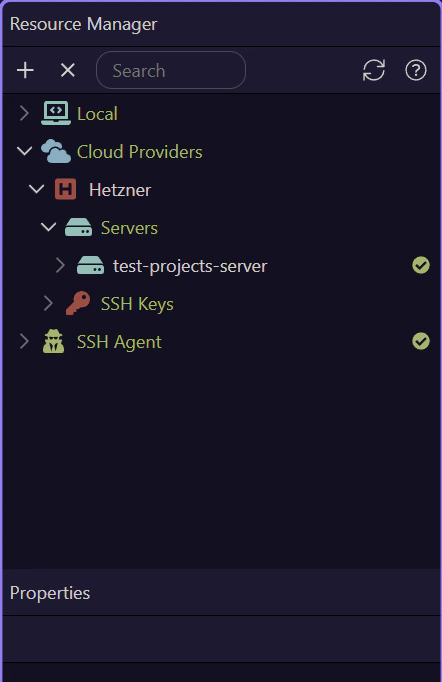
`Add New Database` and `Add New User` are operational hosting actions
Section titled “`Add New Database` and `Add New User` are operational hosting actions”The Add New Database and Add New User actions belong to provider-managed resources because they prepare the database service the app will rely on later. These actions are about provisioning and access on the hosting side, not yet about table design or migrations inside the app schema.
Resource Manager provisioning is not the same as schema design
Section titled “Resource Manager provisioning is not the same as schema design”Keep two different jobs separate. Resource Manager prepares the provider-managed database service and its users. Database Connections and Database Manager are where you connect the app to that service, design tables, and manage migrations. Mixing those layers makes the deployment story harder to reason about.
Environment strategy still matters for managed databases
Section titled “Environment strategy still matters for managed databases”The same target strategy rules apply here as with other databases. Small solo workflows may tolerate a simpler shared setup, but team, staging, or release-oriented projects are usually safer when development and production point to separate managed databases or separate users and credentials per environment.
Next steps
Section titled “Next steps”Return to the Resource Manager hub when you are ready for the next panel subject. That keeps the Resource Manager path sequential and makes the panel hub the place where the next topic is chosen.